Server state and client state: why React apps need two libraries
Server state and client state have different requirements. Why modern React stacks split the job between two libraries instead of one store.
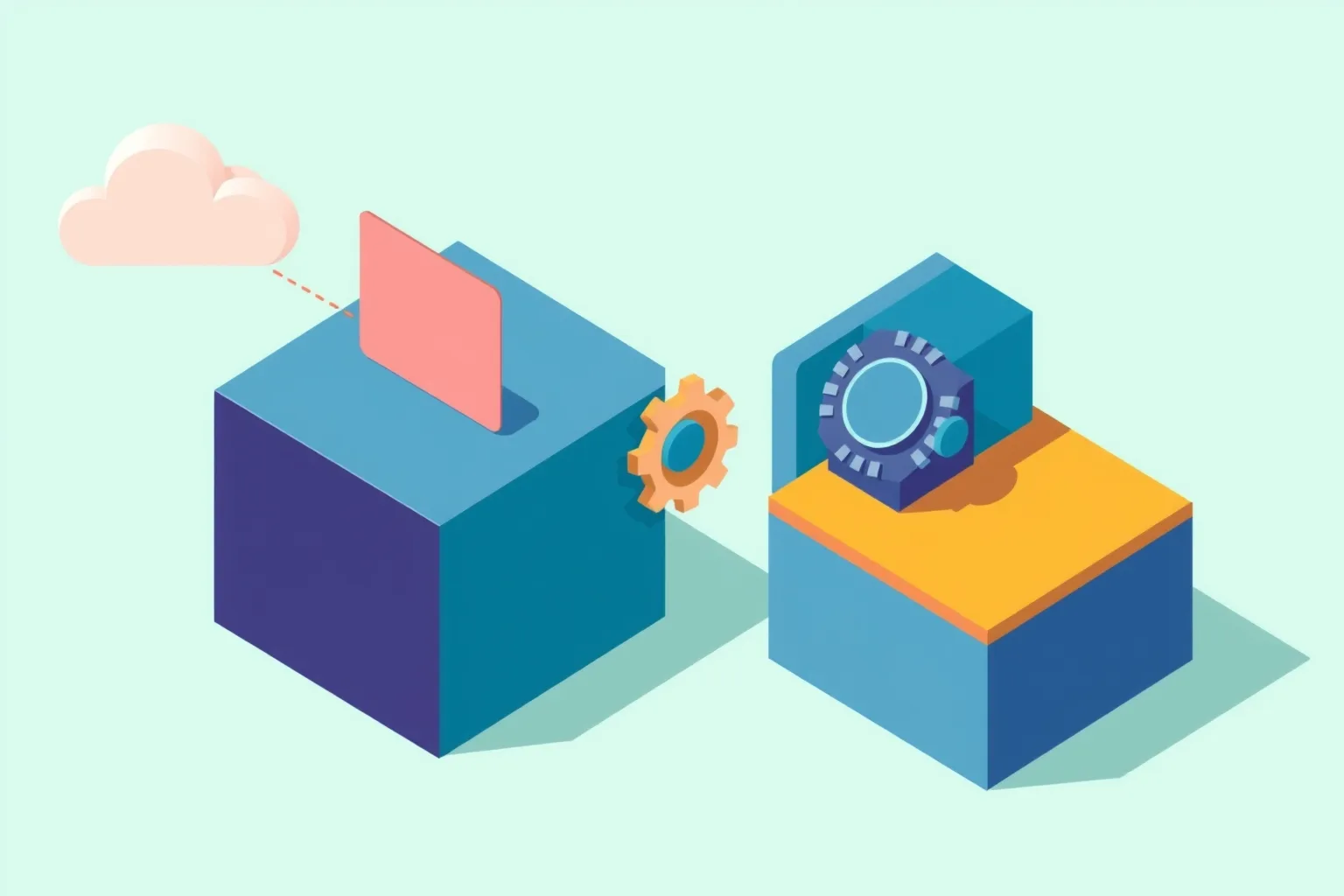
Server state and client state have different requirements. Why modern React stacks split the job between two libraries instead of one store.
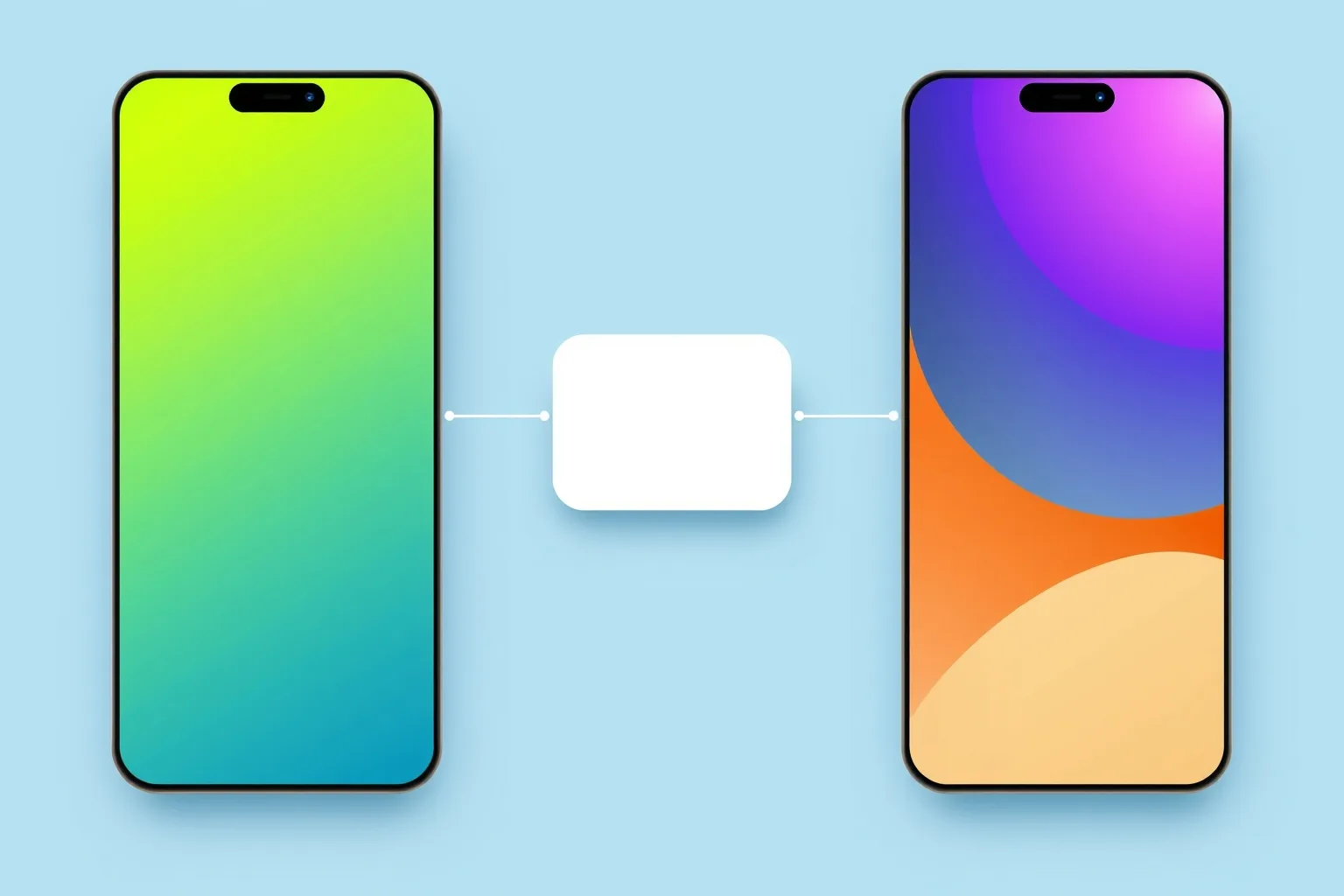
No app can see what the others ship. Two packages, published and installed by version (a typed contract and the shared detail screen), give every side one definition and let semver govern drift.

Turn the host from a single screen into a real app shell: it owns the tab bar and navigation, and each tab is a remote built, shipped and loaded on its own.

Share react, react-native and a native library across a host and its remote the right way; getting it wrong crashes the app on launch, not quietly.
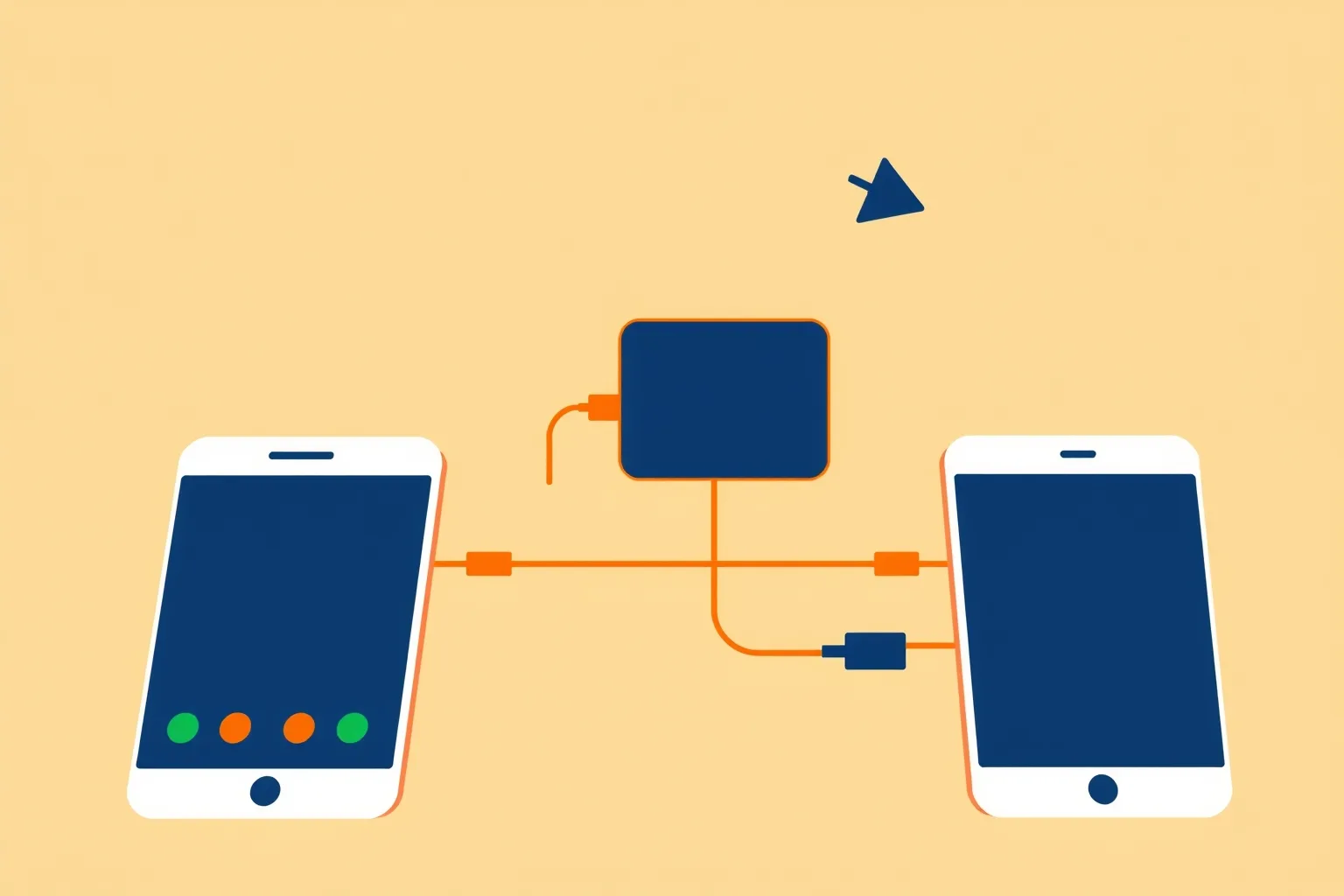
Two React Native apps, one loading the other's screen at runtime over Module Federation 2.0 with Re.Pack. Every step copy-paste, ending in a running app.

What runtime micro-apps buy a React Native app, what they cost, and when the trade is worth it. Intro to a series that builds a federated setup from scratch.
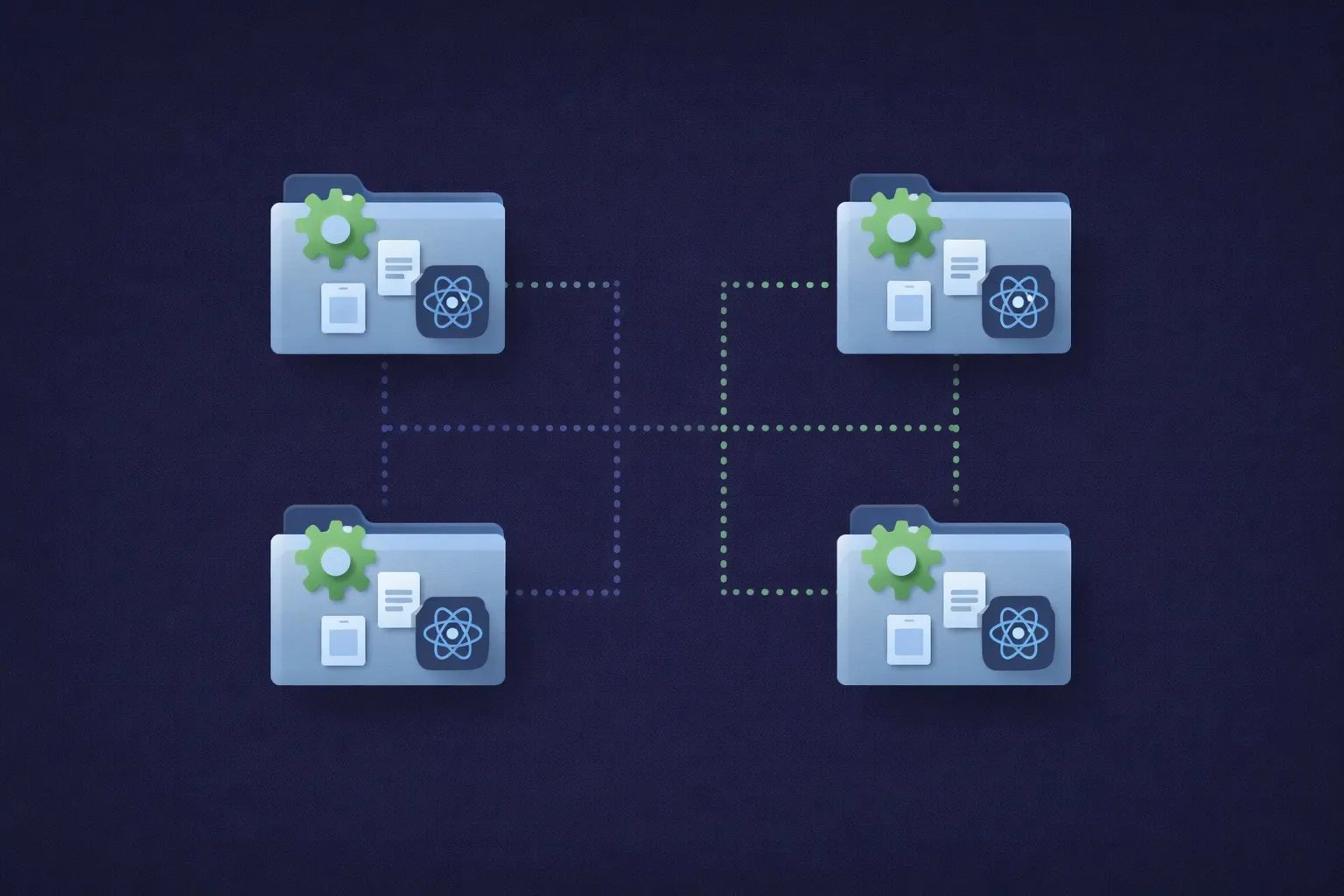
An argument for organising React Native projects by feature, not by type. The delete test, import boundaries, where shared code lives.
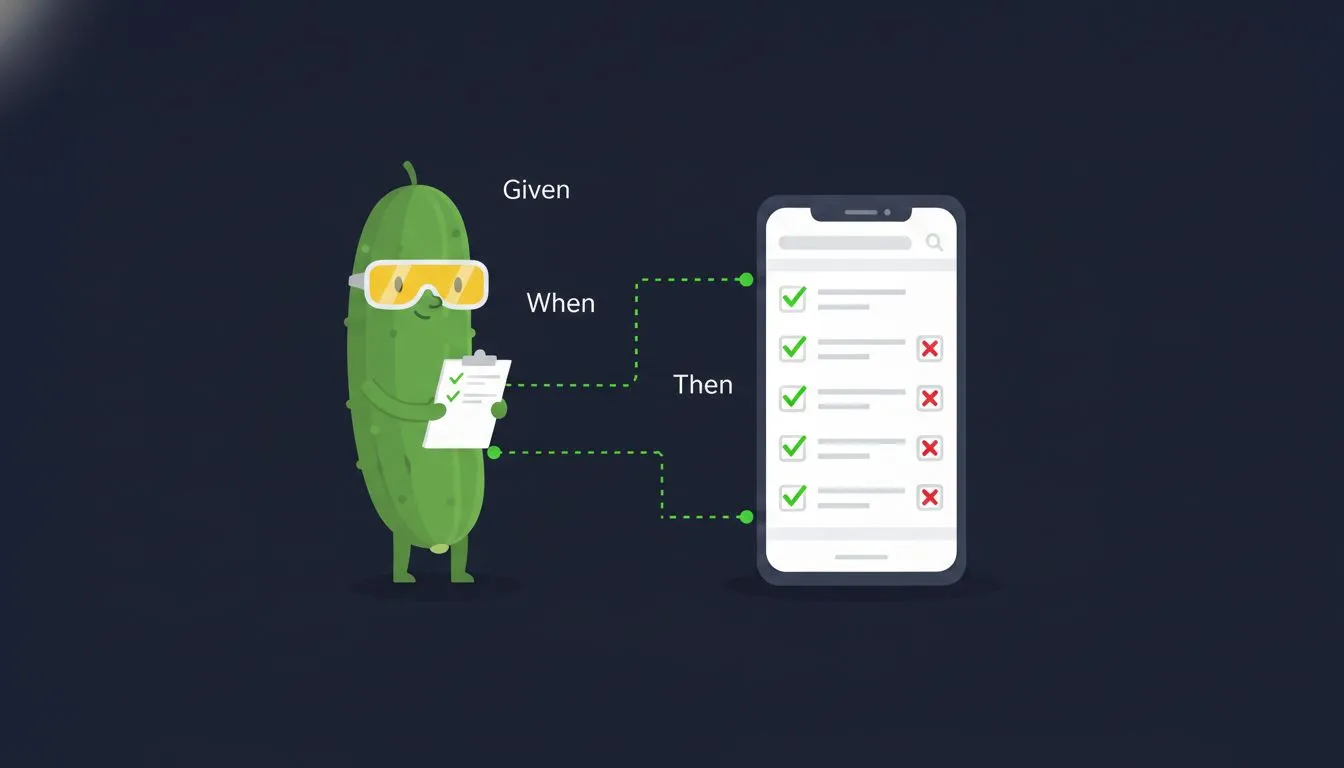
Detox + Cucumber for React Native E2E. Step definitions, a custom formatter, parallel execution, and accessibility regression tests in plain Gherkin.
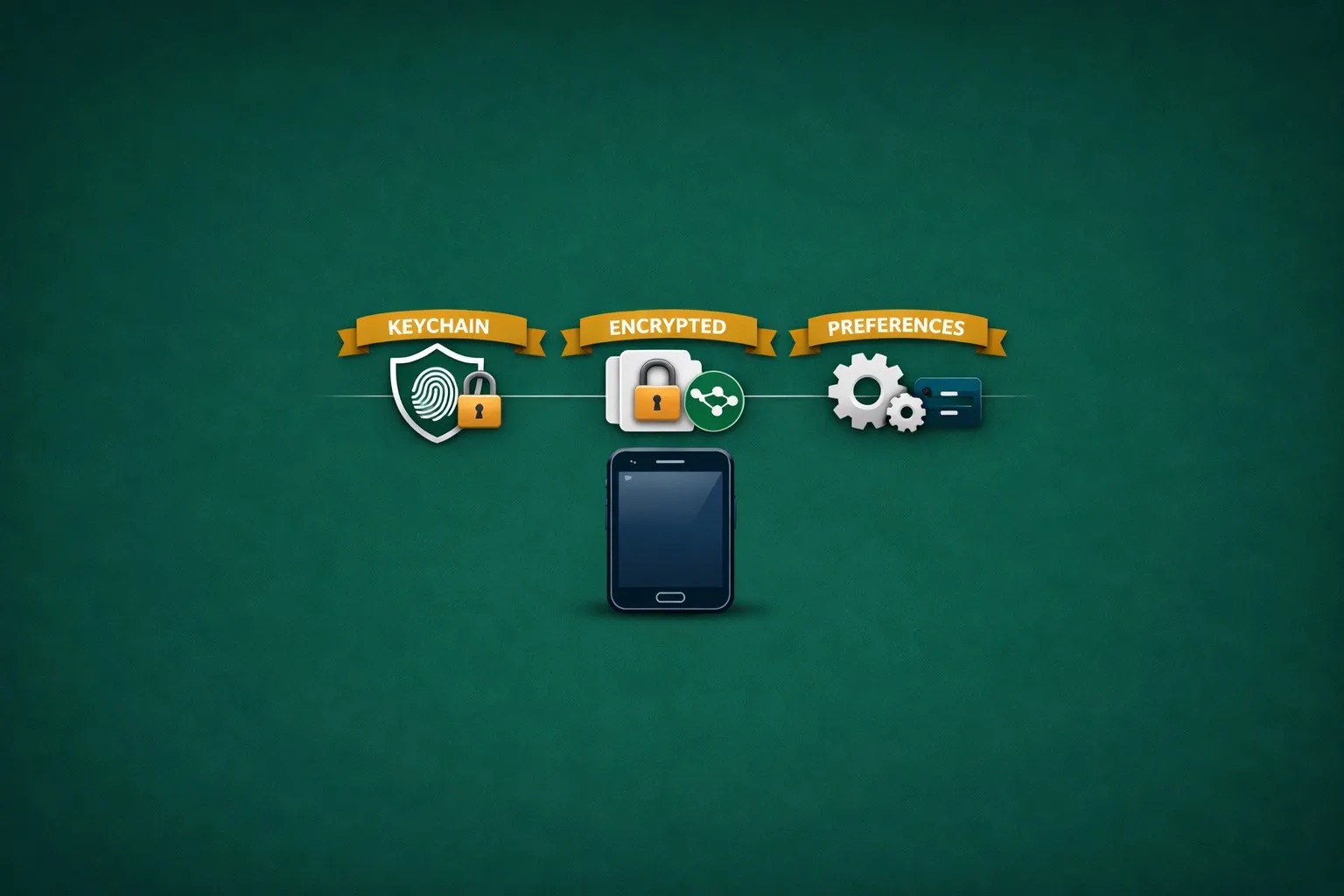
Tokens don't belong in AsyncStorage. How SecureStore, an encrypted store and AsyncStorage split the job in React Native, and what goes where.
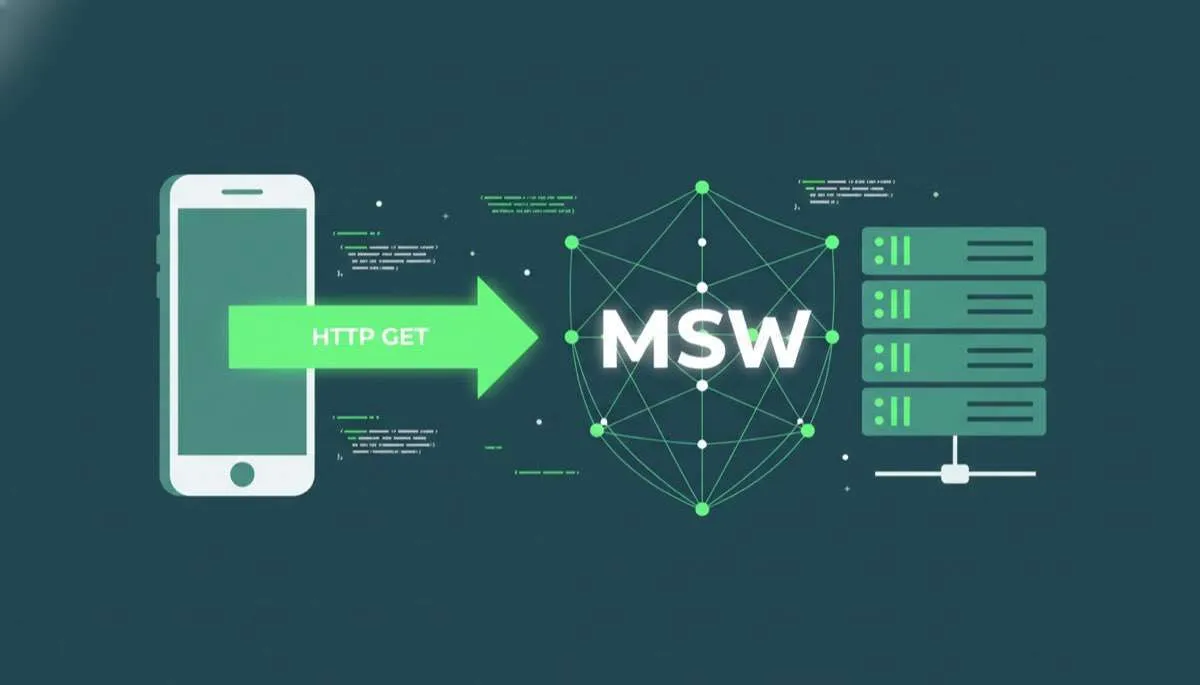
Setting up Mock Service Worker v2 in React Native, from installation to a full set of handler scenarios: success, errors, timeouts and offline.
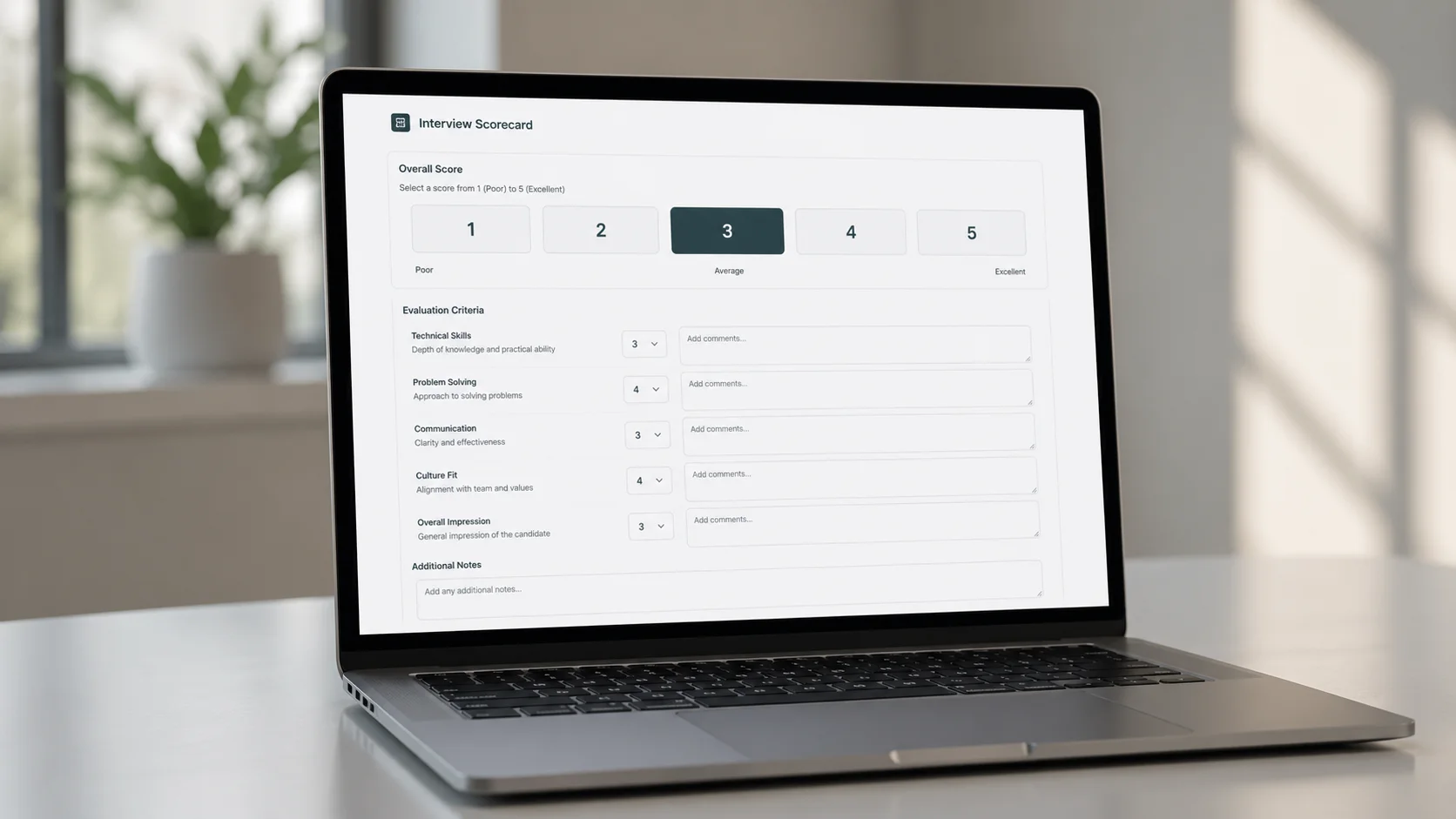
From Notion to markdown to a React app for running structured technical interviews: the road to a format that works live and reports cleanly.
Most take-home tests fail because of setup friction, unclear briefs, or disrespecting people's time. This is how I designed one that candidates thank us for.
Engineering leadership, React Native, and building teams — in your inbox when something new goes live. No spam.
Double opt-in. Unsubscribe any time. · Privacy
Something went wrong. Please try again in a moment.
Almost there — check your inbox to confirm your subscription.